
5-Day Itinerary to Tokyo for First Timers: What’s Worth It (and What’s Not)


This post may contain affiliate links. That means if you click and make a purchase, I may earn a small commission at no extra cost to you. I appreciate your support! ♥️
Planning a trip to Tokyo and feeling overwhelmed by everything you “have” to see? I get it. Tokyo is one of those cities where every guide tells you to do everything, and suddenly a 5-day itinerary to Tokyo feels complicated.
Tokyo had been on my bucket list since I was 12, and when I finally visited for the first time in September 2023, it completely lived up to the hype. It’s clean, structured, efficient, and somehow still chaotic with neon lights, crowds, and energy that feels completely different from anywhere else I’ve been.
After visiting Tokyo again in March 2024, I can confidently say this: five days in Tokyo is the sweet spot. You have enough time to see the highlights, explore different neighbourhoods properly, and even add a day trip without feeling rushed.
So this is exactly what I’d recommend. It’s based on my own solo trips, what I loved, what surprised me, and what I would honestly skip if I went again.
If you’re a first-time visitor or travelling solo and want a plan that actually makes sense, this is for you.
And if you’re planning a bigger trip, I’ve put together a full Japan travel guide with all my itineraries, tips and destination posts to help you map out the rest of your trip.
The ultimate 5 day itinerary to Tokyo (at a glance)
If you just want a quick overview before diving into the details, here’s exactly how I’d spend 5 days in Tokyo.
This itinerary is designed to give you a mix of must-see highlights, great food spots, and neighbourhoods that actually feel different from each other without exhausting yourself.
- Day 1: Asakusa, Ueno and Akihabara
Start your trip with Tokyo’s more traditional side at Senso-ji Temple, then slow down in Ueno Park before diving into the electric chaos of Akihabara. - Day 2: Tsukiji, Tokyo Tower and Shibuya
Eat your way through Tsukiji Outer Market, take in Tokyo Tower views, and experience the madness of Shibuya Crossing and Shibuya Sky. - Day 3: Gotokuji, Shimokitazawa and Shinjuku
Visit the famous lucky cat temple, explore Tokyo’s coolest thrift and coffee neighbourhood, and end the day in neon-lit Shinjuku. - Day 4: Day trip to Mount Fuji
Escape the city for a day and see Mount Fuji. This is 100% worth it if the weather is clear. - Day 5: Asakusa, Imperial Palace and final exploring
Take a sushi-making class, explore the Imperial Palace area, and spend your last evening soaking up Tokyo one more time.
The ultimate 5-day itinerary in Tokyo
Day 1: Senso-ji Temple, Ueno and Akihabara
Morning: Senso-ji Temple and Asakusa
I started my first day in Tokyo in Asakusa at Senso-ji Temple, and I’m not going to lie, it was busy. Like, really busy.
This is one of the most popular spots in Tokyo, so if you’re expecting a peaceful temple experience, you won’t get that here. It’s crowded, touristy, and a bit chaotic. But at the same time, it’s iconic, and for a first time in Tokyo, I still think it’s worth seeing once.


Walking through Kaminarimon Gate and down Nakamise Street actually felt like part of the experience. There are so many little food stalls and souvenir shops, and I loved just trying random snacks.
If I could do it again, I’d go earlier in the morning or later in the evening. I went during peak hours, and that definitely made it feel more overwhelming than it needed to be.
Afternoon: Ueno Park and a slower side of Tokyo
After Asakusa, I was honestly ready for a break from the crowds, and Ueno Park was perfect for that. From Senso-ji Temple it’s only a 15-minute subway ride or a fun 30-minute walk (my favourite way to explore).
Ueno Park is where Tokyo suddenly feels calm. I remember just walking around, slowing down a bit, and thinking how nice it was to have a quieter moment in such a busy city.
If you like museums, there’s a lot to do here. There’s the National Museum of Nature and Science or the Tokyo Metropolitan Art Museum. I personally didn’t go all-in on museums and just enjoyed the park itself, and that was more than enough.
Evening: Akihabara’s electric chaos
In the evening, I headed to Akihabara (a 15-minute walk), and this place is a complete contrast to everything else.
It’s loud, bright, chaotic, but in a fun way. Even if you’re not into anime or gaming (I’m not massively), it’s still worth walking around just to experience it.
I didn’t stay here for hours, and I wouldn’t recommend that unless you’re really into it. For me, it was more about seeing it, walking through a few shops, and then moving on.
Day 2: Tsukiji Market, Tokyo Tower and Shibuya
Morning: Tsukiji Outer Market (food heaven, but not cheap)
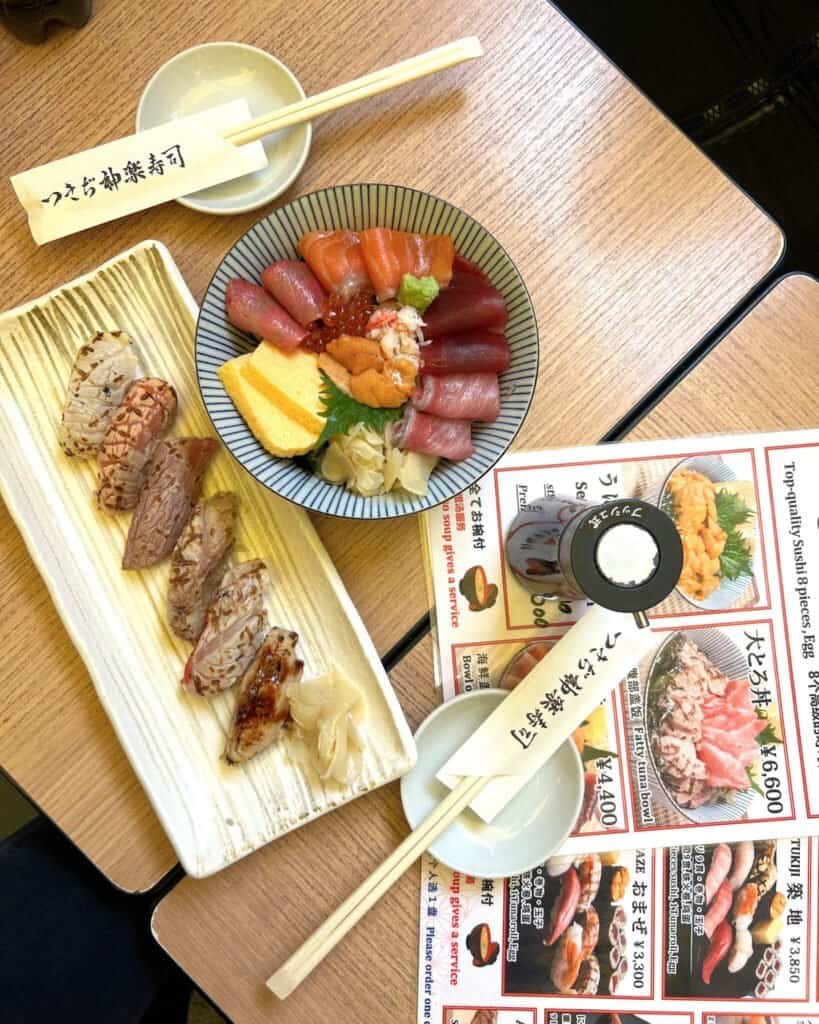
I had some of the best sushi and sashimi of my life here, and that alone made it worth it. But let’s be real for a second, this place is not cheap. It looks like street food, but prices are definitely aimed at tourists.
Still, I would go again. The quality is incredible, and it’s one of those experiences that just feels very “Tokyo”.

Afternoon: Tokyo Tower and Ginza
If you want that classic Tokyo Tower photo, go to Shiba Park. That’s where you get the best views without having to go up the tower. There’s also that famous staircase photo spot nearby, but when I saw the queue, I immediately decided it wasn’t worth my time.
This is something you’ll notice in Tokyo, there are a lot of “Instagram spots” with lines. You really don’t need to do all of them.
From there, I went to Ginza, and this area feels completely different again. It’s more upscale, more spacious, and honestly a bit calmer compared to places like Shibuya or Shinjuku. If you like shopping or just want a break from the chaos, Ginza is a nice place to slow down for a bit.
Evening: Shibuya
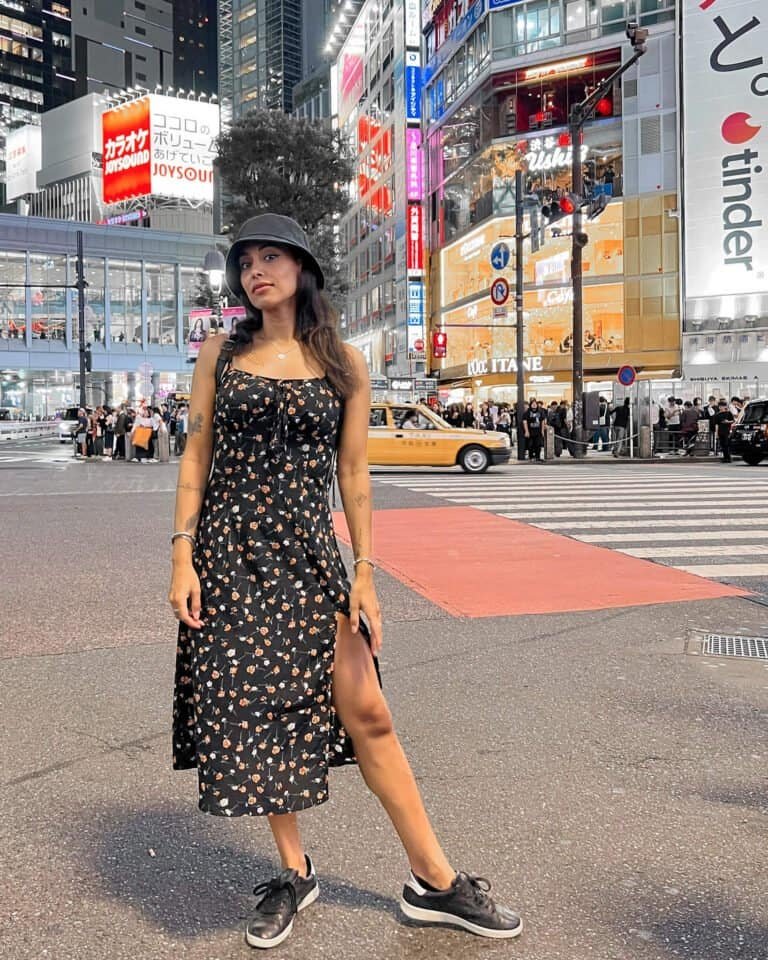
In the evening, I went to Shibuya, and yes, it’s exactly as chaotic as you imagine. Shibuya Crossing is one of those things that sounds overhyped, but I still enjoyed seeing it. Just manage your expectations, it’s still “just” a crossing.
I actually liked watching it more than walking it. Grabbing a drink and looking out over the crossing is way more fun than being in the middle of it.
Shibuya Sky is 100% worth it, but only if you plan ahead. Tickets sell out quickly, especially for sunset. I didn’t get the perfect weather when I went, and the rooftop was closed, which was honestly a bit disappointing.
Book in advance, especially for sunset slots (I was too late trying to book 2 weeks in advance) and check the weather.
For dinner, Shibuya is one of the best areas in Tokyo. I personally loved:
- Ichiran for a quick and solid ramen (delicious and perfect for solo dinnners)
- Sushi no Midori for great sushi
- Gyukatsu Motomura where you grill your own breaded beef at the table
If you’re up for some drinks or when you’re travelling alone, check out this highly rated izakaya pub crawl in Shibuya. It’s a fantastic way to meet other travellers.
Day 3: Gotokuji Temple, Shimokitazawa and Shinjuku
Morning: Gotokuji Temple
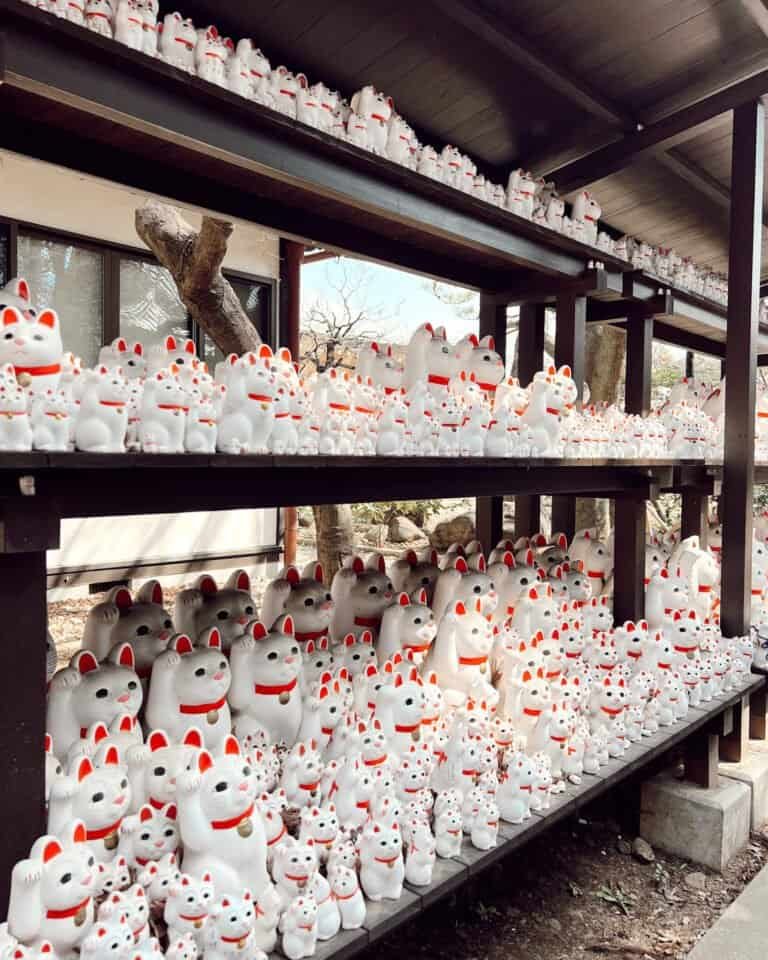
I started my day at Gotokuji Temple, and this was one of those places I genuinely loved.
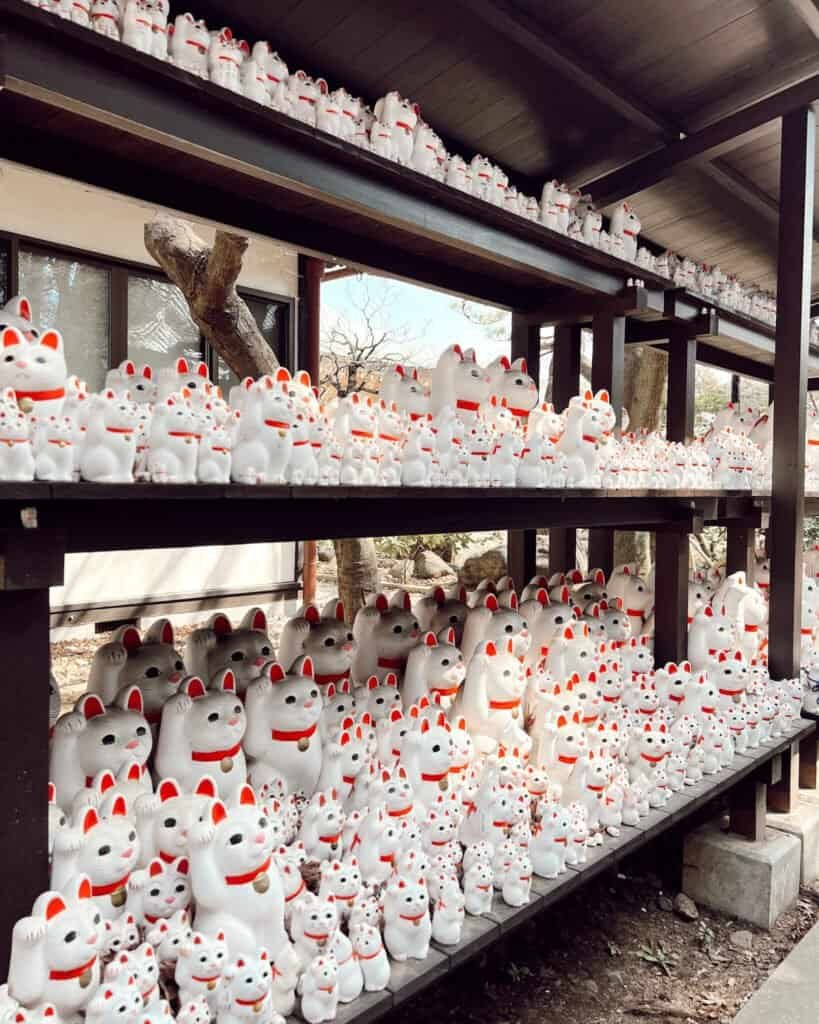
It’s known for the lucky cat statues, and while it’s definitely a popular photo spot, it didn’t feel nearly as chaotic as places like Senso-ji. It felt calmer, more relaxed, and just a nicer experience overall.
On the way back to the station, I stopped at Rarasand for coffee and their cute cat-shaped cakes, and I’m not even going to pretend, I loved it. This is exactly the kind of small, random stop that makes your day feel more personal.
Afternoon: Shimokitazawa (one of my favourite areas)
After Gotokuji, I headed to Shimokitazawa, and this was easily one of my favourite neighbourhoods in Tokyo. It’s a 25-minute direct subway ride.
It’s completely different from the busy, polished parts of the city. Think vintage shops, small boutiques, coffee spots, and a much more laid-back vibe.
If you like thrift shopping or just want a break from the intensity of places like Shibuya, you’re going to love this area.
From Shimokitazawa, you can head to Harajuku, but I’m going to be honest here, this wouldn’t be a must-do for me. I went, and yes, it looks colourful and quirky, but it’s also extremely crowded. Like, barely-walkable crowded.
If you’re curious, go and see it for yourself. But if you’re short on time, I would skip it and spend more time in Shimokitazawa or Shinjuku instead.


Evening: Shinjuku (my favourite area in Tokyo)
I ended the day in Shinjuku, and this is probably my favourite area in Tokyo. It’s vibrant, a little chaotic, slightly rough around the edges, and just full of energy. This is where Tokyo feels a bit more raw.
I explored Golden Gai, which is a maze of tiny bars. I loved just walking around, picking a random bar, and grabbing a drink. Some places have cover charges, so just be aware of that.
I also went to Omoide Yokocho, and this is where I’ll be honest again, it wasn’t for me. It’s very crowded, smoky, and cramped. I get why people want to see it, but I personally didn’t enjoy it.
For dinner in Shinjuku, you have so many good options. I’d recommend:
- Sugoi Niboshi Ramen if you want really good ramen (there’s usually a queue)
- Oysters Inc if you’re into oysters like I am
- Yakiniku Nikuen is great for BBQ, also as a solo traveller
If you’re up for the full experience, check out this fantastic Shinjuku food tour. With a local guide, you’ll try out the food locals eat.
A day trip to Mount Fuji
Day 4: Day trip to Mount Fuji
On day four, I took a day trip to Mount Fuji, and I genuinely think this is one of the best ways to break up your time in Tokyo.
After a few days in such a busy, high-energy city, it felt really nice to get out for a day and see a completely different side of Japan.
I’ve been to Tokyo twice, once in September and once in March, and I was lucky enough to have clear skies both times. March is actually one of the best times to see Mount Fuji, because the skies are often clearer and the mountain is still covered in snow, which makes the view even better.
Even if the visibility isn’t perfect, I still think this day is worth it. You’re not just going for Mount Fuji itself. You’re visiting different spots around the area, and that variety is what makes the day so enjoyable.


There are a lot of ways to visit Mount Fuji, but I booked a guided tour, and for me, that was the easiest and most enjoyable option.
This is the exact Mount Fuji Highlights Tour I did, and it covers all the highlights without overcomplicating your day. You’ll visit places like Lake Kawaguchi, Oishi Park, the 5th Station, and Chureito Pagoda, so if you’re after those iconic Mount Fuji views, this is a solid choice.
It’s a full day, but everything is organised for you, which makes it easy to just relax and enjoy it.
If you want to compare different options, I’ve written a full guide on the best Mount Fuji day tours from Tokyo, where I break down the tours, what’s included, and how to choose the right one for you.
Day 5: Sushi class and your final evening in Tokyo
Morning: Sushi class in Asakusa (one of my favourite experiences)
On my last day in Tokyo, I did a sushi-making class workshop in Asakusa, and this was honestly one of the best things I did on my entire trip.
The class focused on making temari sushi, which are these small, beautifully shaped sushi pieces, and it was such a fun experience.


You’re not just watching, you’re actually making everything yourself and then eating it afterwards, which, let’s be honest, is the best part.
Afternoon: One last day in Tokyo
For your final day, I wouldn’t overplan anything. Go back to the area you loved most, whether that’s Shibuya, Shinjuku, or somewhere else, and just enjoy it one last time.
This is your moment to:
- pick up souvenirs (have you seen Don Quijote?)
- have your favourite last meal
- grab a drink
- or just walk around and take it all in
I remember just wandering around, soaking up the lights, the energy, and thinking how different Tokyo feels from anywhere else. And of course, end it with something you’ve been loving all trip.
For me that was yakitori and an ice cold draft beer.
- ⛑️ Do NOT travel without travel insurance: Check out Safety Wing for reliable travel insurance.
- 🏨 Stay in Tokyo Stay Shibuya or Hotel Vista Tsukiji.
- 🏙️ Get tickets to Shibuya Sky.
- ✈️ Book your ticket to Tokyo with Skyscanner.
- 🎰 Find the best tours and excursions to Tokyo with the flexible Get Your Guide.
- 🎫 Book your train tickets for Tokyo easy online via Klook.
- 🚝 If you benefit from the JR Pass get it from Klook.
- 🏩 Book your hotel with the reliable Booking.com.
Is 5 days in Tokyo enough?
Yes, 5 days in Tokyo is enough, and in my opinion, it’s the perfect amount of time for a first visit.
After visiting Tokyo twice, I found that five days gives you the right balance. You have enough time to see the main highlights, explore different neighbourhoods properly, and still have space to slow down a bit without feeling rushed.
Anything less than that starts to feel tight. Tokyo is huge, and getting from one area to another takes time. If you only have three days, you’ll end up having to make choices on what to see.
With five days, you can:
- see all the iconic spots like Shibuya, Shinjuku and Asakusa
- explore more local areas like Shimokitazawa
- actually enjoy the food scene instead of rushing meals
- and even add a day trip to Mount Fuji
- take a tour or workshop
For me, that’s what makes a trip feel complete.
But, if you’re short on time, check out my 3-day itinerary to Tokyo, where I target all the must sees.
What to skip in Tokyo (my honest opinion)
Omoide Yokocho (not for me)
I know this place is popular, but it just wasn’t my vibe.
It’s very small, extremely crowded, and filled with smoke from all the grills. I found it hard to actually enjoy being there because it felt cramped, dirty and hard to breathe.
I get why people like it, it has that “old Tokyo” feel, but for me, it was just too much. There are plenty of other places in Tokyo where you can have a much nicer food experience without feeling squeezed in.
Harajuku (overcrowded and not worth the hype)
Harajuku is one of those places that looks really fun online, colourful, quirky, different.
But in reality, it’s just packed. Like, barely able to walk packed.
I went once, and that was enough. The street is small, the shops are crowded, and everything just feels a bit chaotic in a way that’s not enjoyable.
If you’re curious, go and see it quickly. But if you’re short on time, I would skip it and spend more time in places like Shimokitazawa or Shinjuku instead.
Senso-ji Temple (hear me out)
Senso-ji is one of the most famous temples in Tokyo, and yes, it’s beautiful. But it’s also one of the busiest places in the city.
When I went, it felt more like a tourist attraction than a temple experience. If you’re expecting something peaceful or spiritual, this isn’t it.
I still think it’s worth seeing once, especially if it’s your first time in Tokyo. Just go early or later in the day, and don’t expect a quiet moment.
Also, if you’re visiting Kyoto as well, you’ll find temples there that feel much more authentic and more unique. I’d skip and focus on seeing the authentic temples in Kyoto.
Tokyo is huge, and there’s no “one size fits all” itinerary. What you skip really depends on your vibe. But if you’re anything like me and don’t enjoy overcrowded, cramped spaces, these are the places I’d rethink or wouldn’t go out of my way for.
Where to stay in Tokyo
Choosing where to stay in Tokyo can feel overwhelming because the city is huge and every area has a completely different vibe. After visiting Tokyo twice, these are the three areas I’d stay in, depending on your travel style.
Shibuya (best for first-timers who want everything nearby)
If it’s your first time in Tokyo and you want to be right in the middle of everything, Shibuya is a great choice.
This is the Tokyo you’ve seen online. Busy streets, neon lights, shopping, restaurants, and the famous Shibuya Crossing.
You’ll have everything within walking distance, which makes it really convenient, especially if you don’t want to overthink transport in the beginning.
I enjoyed staying here because it felt central and lively, but it is busy and you’ll walk a lot.
Stay here if you want:
- a central location
- easy access to shops, restaurants and sights
- that classic Tokyo energy
my Hotel recommendations in Shibuya
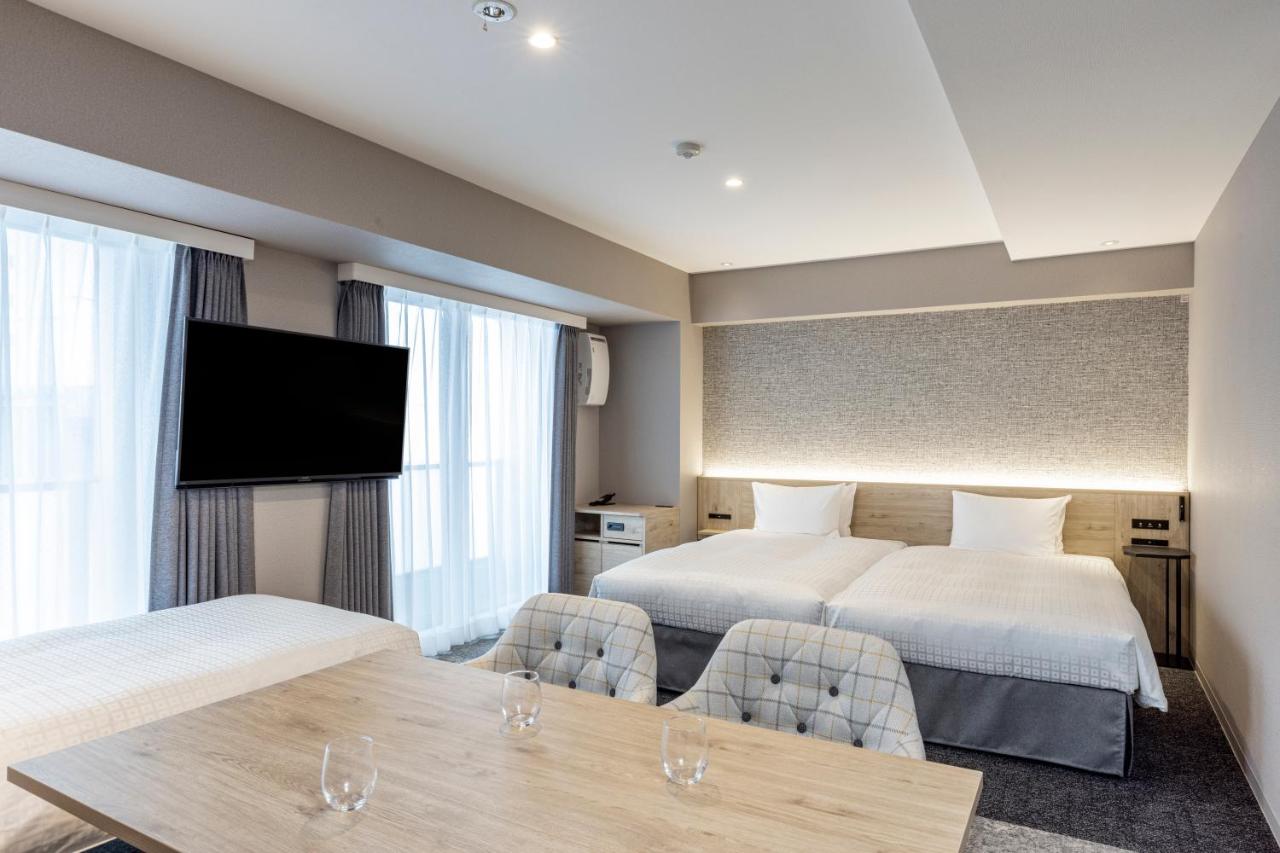
Tokyu Stay Shibuya
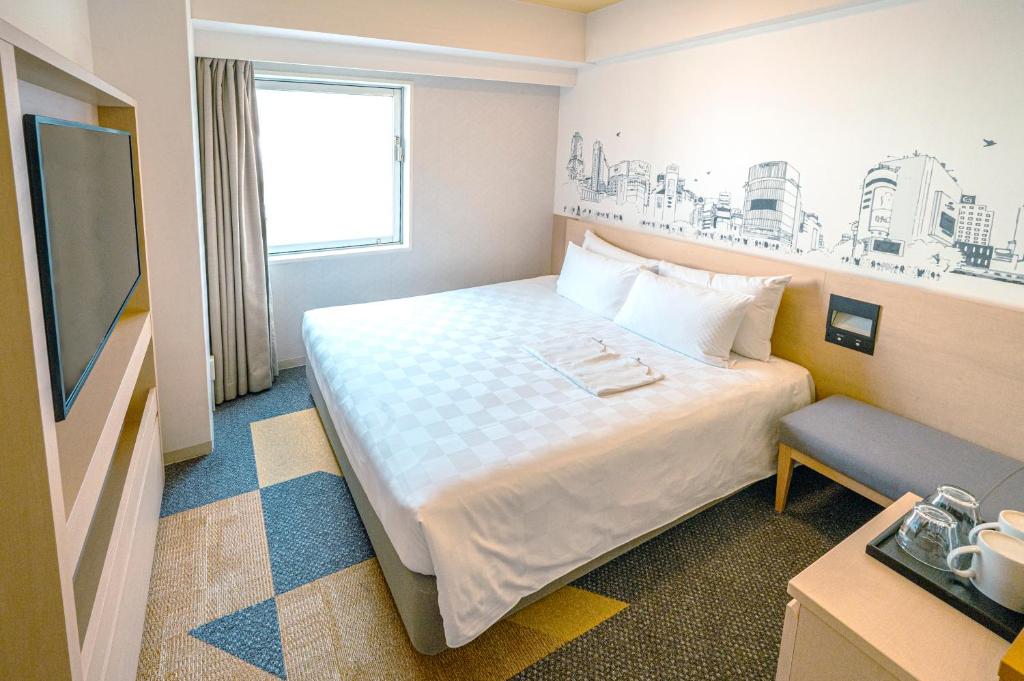
Shibuya Tokyu REI Hotel
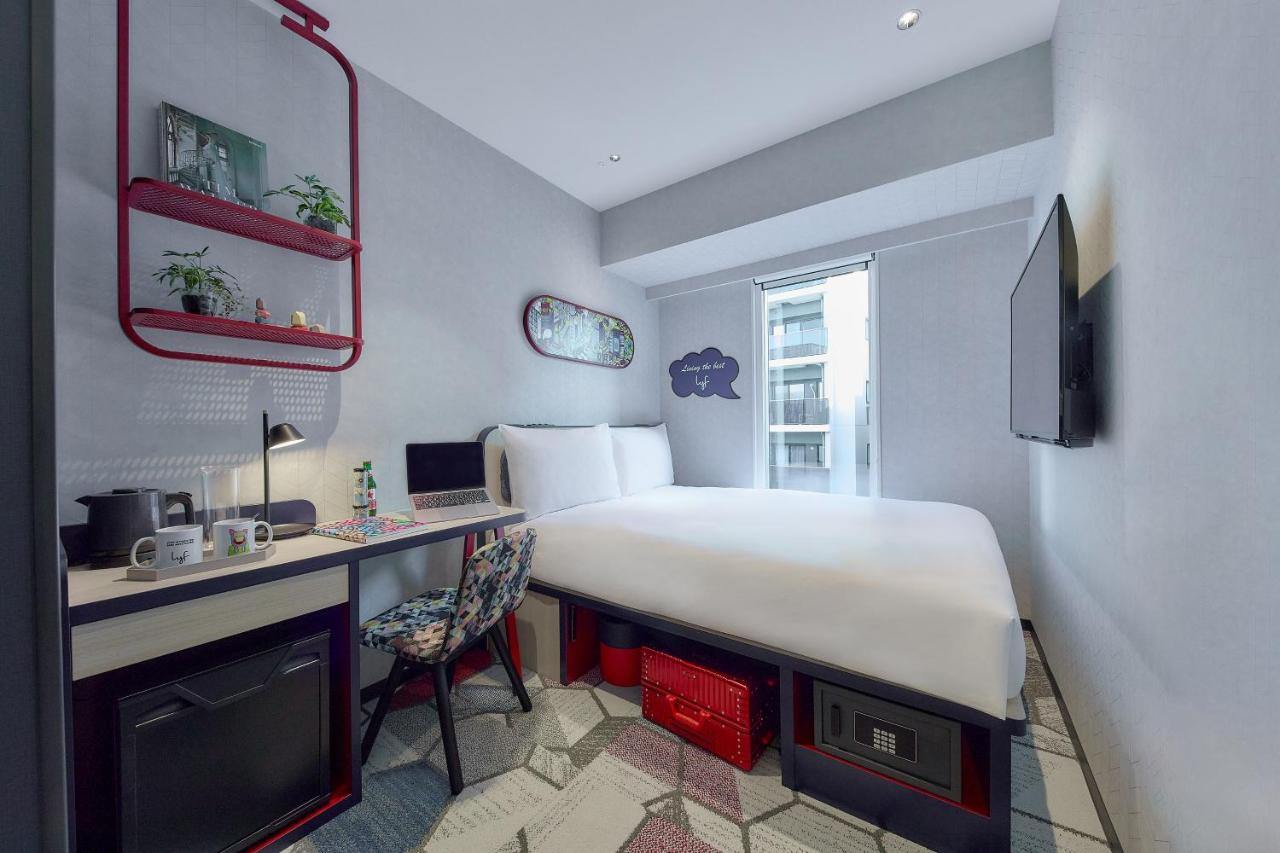
lyf Shibuya Tokyo
Shinjuku (my personal favourite)
If I went back to Tokyo, I would stay in Shinjuku again.
It has the same energy as Shibuya but feels a bit more raw and less polished. You’ve got amazing food, nightlife, and areas like Golden Gai and Omoide Yokocho right on your doorstep.
It’s also very well connected, which makes getting around Tokyo easy.
I liked that everything felt close, especially after going out in the evening. Being able to just walk back to your hotel makes a big difference.
Stay here if you want:
- convenience and transport connections
- great food and nightlife
- a slightly edgier feel
my Hotel recommendations in Shinjuku
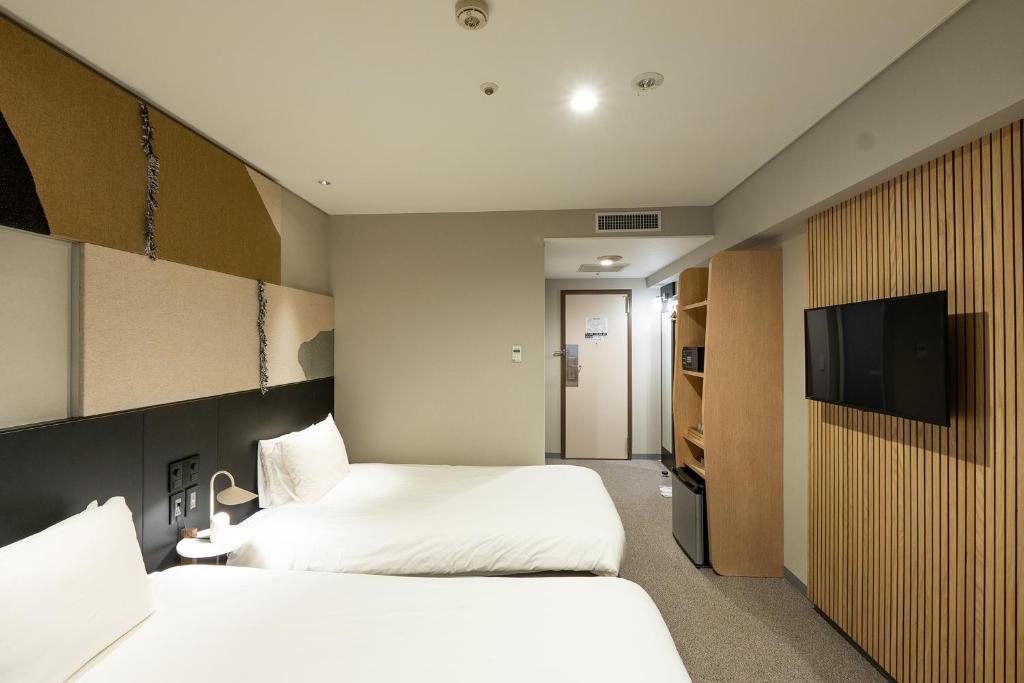
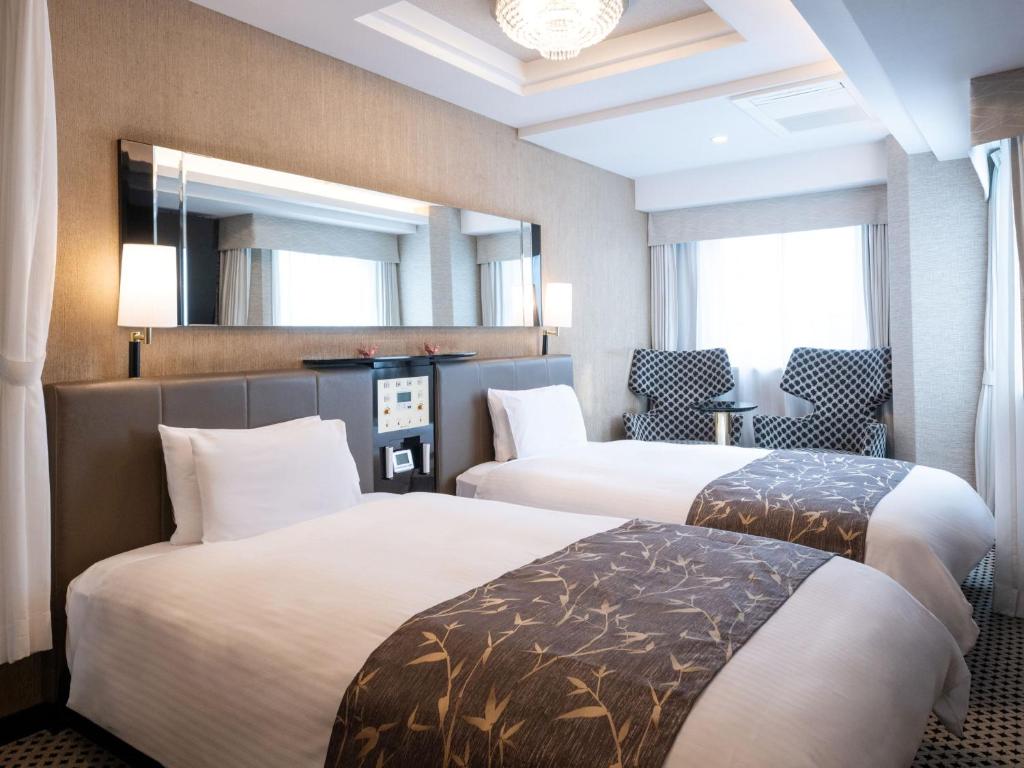

Ginza (quieter and more upscale)
Ginza is a completely different vibe compared to Shibuya and Shinjuku.
It’s cleaner, more spacious, and feels more upscale. Think luxury shops, nicer restaurants, and a calmer atmosphere overall.
If you don’t love chaos or want something a bit more relaxed, this is a good option. There are no crazy billboard or neon bright lights here.
I’d personally choose Ginza if I wanted a quieter stay, but still be close to key areas like Tokyo Station and Asakusa.
Stay here if you want:
- easy access to central Tokyo without the chaos
- a quieter, more relaxed base
- a more upscale feel
Hotels in Ginza
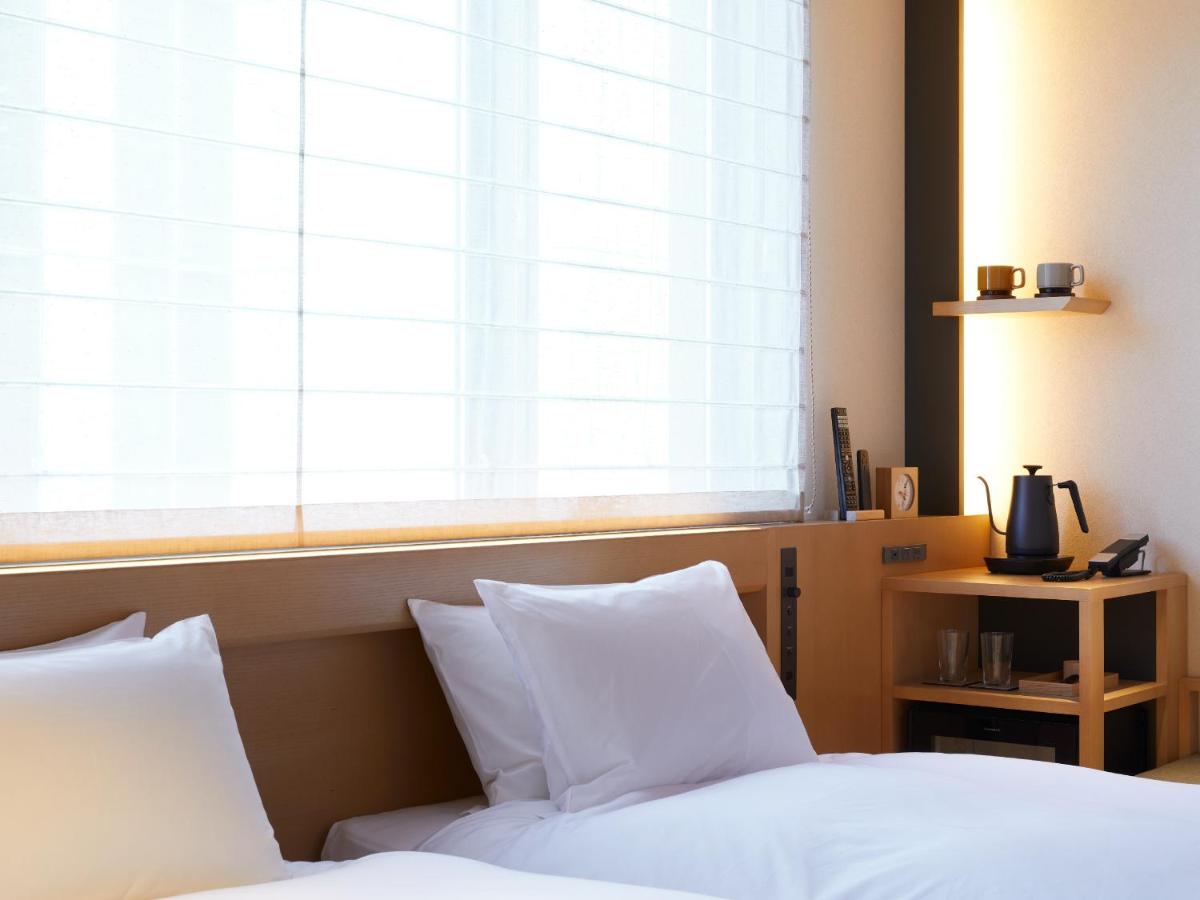
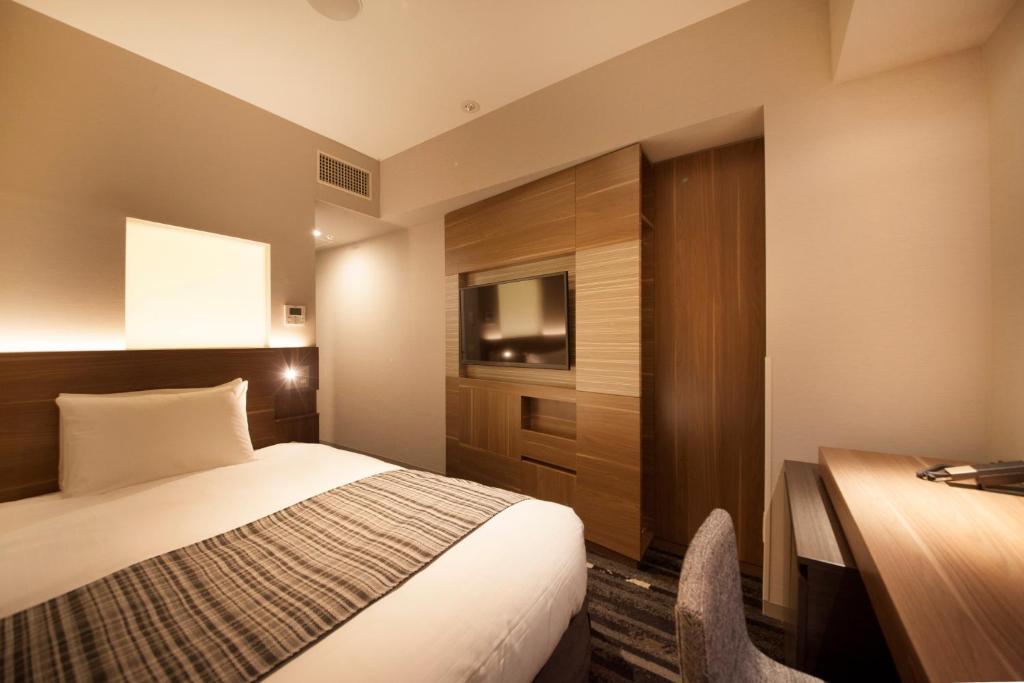
Agora Tokyo Ginza

Is $1,000 enough for 5 days in Tokyo?
Yes, a $1,000 budget is enough for a 5 days in Tokyo, but only if you’re a bit mindful with your spending. If you want more comfort or a few splurge experiences, I’d budget a bit more.
When I visited, I was surprised by how affordable Tokyo can be. The biggest expense is accommodation, but food and transport are actually very manageable.
A realistic daily spend looks like:
- $100–$120 per night for a simple budget hotel with private bathroom
- $30–$50 per day on food
- $10 per day on transport
- $50 for the occasional tour or workshop
You can eat really well without spending a lot. I often grabbed food from convenience stores or simple ramen spots like Ichiran and it was great. Yakitori and gyoza spots are also very affordable.
If you want to add things like a sushi class or a nicer dinner, your budget will go up quickly.
Is Tokyo safe for solo female travellers?
Yes, Tokyo is one of the safest cities in the world for solo female travellers.
I’ve visited Tokyo twice on my own, and I never once felt unsafe. People mostly keep to themselves, but at the same time, they’re incredibly kind and helpful if you need something.
It’s one of those places where you can walk around alone, even in the evening, without constantly feeling on edge. There are even women only train carriages for women to feel safe taking public transport.
Of course, that doesn’t mean you should switch your brain off completely. I still followed basic common sense, just like I would anywhere else.
Always practice safety precautions. I’ve written an in-dept post with my tips for women travelling alone.

How to get around in Tokyo?
Before my first trip, I completely overcomplicated it, but once you’re there, it’s actually not that bad. I used Google Maps, which tells you exactly which line to take, where to go, and even which exit to use.
The easiest way to pay is with a Suica card (or the digital version on your iPhone), which works on almost all trains and metros.
The only time it gets overwhelming is during rush hour. Trains can get very crowded, so if you can, try to avoid peak times in the morning and early evening.
If you want a full step-by-step explanation, I’ve written a detailed guide on how to use public transport in Tokyo, where I break everything down so you won’t get lost.
When is the best time to visit Tokyo?
The best time to visit Tokyo is spring or autumn. Simple. And I’ll tell you why.
If you want the most beautiful scenery, spring (cherry blossom season) and autumn (fall foliage) are hands down the best times to visit. Just keep in mind, these are also the busiest and most expensive periods.
I’ve visited Tokyo in September and March, and both had their pros. September was warm, comfortable, and easy to explore without needing layers. March was colder, but perfect for sightseeing, and if you time it right, you might catch the start of cherry blossom season.
Summer can be very hot and humid, and personally, that’s not something I enjoy anymore when travelling. Walking around all day in that heat just isn’t it.
FAQ’s for 5 days in Tokyo
How far in advance should I plan a 5 day Tokyo itinerary?
I’d say the sooner the better for the best price. I always start looking as soon as I know my plans, around 5 months in advance.
Do I need to book restaurants in advance in Tokyo?
Casual restaurants don’t require reservations, you just wait in line. But for popular spots or omakase sushi restaurants, it’s smart to make a reservation.
Can you explore Tokyo without speaking Japanese?
Yes, I don’t speak Japanese. Signs are in English, most people speak English, and Google Translate helps if needed.
Plan your trip
With my online resources
Use my travel planning roadmap with all my digital resources to book every detail of your trip!
Plan your 5 day itinerary to Tokyo with confidence
A 5 day itinerary to Tokyo is, in my experience, the perfect way to see the city for the first time. You have enough time to explore the highlights, try incredible food, experience different neighbourhoods, and still not feel like you’re rushing from one place to the next.
If you’re planning a bigger trip, I’ve put everything together in my Japan travel hub with all my itineraries and destination guides, so you can easily map out your route beyond Tokyo.
What to read next?
- My 10-Day Itinerary to Japan: What’s Worth It, What I’d Skip (Tokyo, Kyoto & Osaka)
- 14 Surprising Things to Know Before Travelling To Japan: Respect The Culture
- Discover The Best Tours To Mount Fuji In Japan For An Epic View
Definitely brush up on manners and etiquette in Japan, you don’t want to be that annoying tourist, right?