
10-Day Itinerary to Japan: What’s Worth It, What I’d Skip (Tokyo, Kyoto & Osaka)

This post may contain affiliate links. That means if you click and make a purchase, I may earn a small commission at no extra cost to you. I appreciate your support! ♥️
Planning a 10-day itinerary to Japan for the first time can feel overwhelming fast. I’ve been there. Tokyo, Kyoto, Osaka, Mount Fuji… how do you fit it all in without rushing?
I was overthinking everything, from where to stay as a solo female traveller to how public transport actually worked. In reality, Japan is far more structured, efficient, and easier to navigate than it seems online.
I’ve now travelled solo to Japan twice, and what surprised me most is how easy it is to explore alone. It’s clean, safe, and genuinely built for solo travellers. Even moments that feel overwhelming at first, like arriving at Shinjuku Station (got lost in Shinjuku Station and couldn’t find the quickest way out and almost had a meltdown).
For a first sort trip, this route makes the most sense: Tokyo for the energy, Kyoto for tradition, a short stop in Osaka, and a day trip to Mount Fuji.
That said, this isn’t just a typical itinerary. I’ll also share what I’d skip, what’s overrated, and how I’d plan these 10 days in Japan differently if I did it again. So you’ll get the most and best out of your trip to Japan. Because, in 10 days in Japan, you have to make choices, unless you want to run around the country and keep packing.
If you’re planning your trip, don’t forget to browse all my Japan travel guides for more detailed tips on each destination.


The Best 10-Day Japan Itinerary Route (What I’d Do Differently)
If you’re planning your first trip to Japan, this is the route I recommend based on my own experience. I’ve visited Japan twice, doing Tokyo, Osaka and Kyoto both times.
- Days 1–5: Tokyo (incl. a day trip to Mount Fuji)
- Days 6–8: Kyoto
- Day 9: Osaka
- Day 10: Departure from Osaka
Most itineraries split time more evenly between cities, but I wouldn’t do that again, because running around and keep packing is not fun.
Spend time in Tokyo instead of rushing through it. There’s so much to see, and it’s one of those cities where you don’t want to feel like you’re constantly on a schedule. Adding that extra day makes the start of your trip feel much more relaxed, especially when you’re dealing with jet lag.
Kyoto was my favourite part of the trip, and it offers a completely different experience from Tokyo, more traditional, more cultural, and exactly what you imagine when you think of Japan.
That’s why I’d stay in Kyoto over Osaka on a 10 day trip to Japan. These cities are only 30 minutes apart by train. Choose one as your main hub.
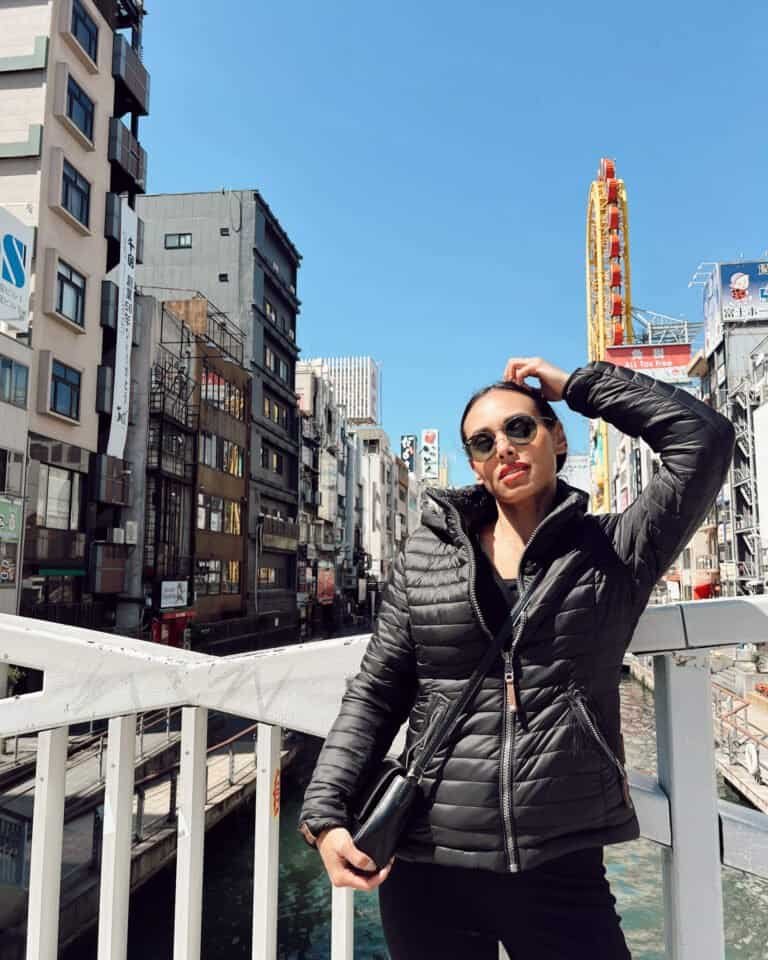
In Osaka one day is enough to explore Dotonbori, try the food scene, and maybe visit Osaka Castle. I mainly stayed here because I was flying home from Osaka anyway, not because I felt it needed multiple days.
This route gives you a great mix of modern city life, traditional culture, and iconic day trips, without trying to cram in too much. And that’s the key to making 10 days in Japan feel enjoyable instead of rushed.
Is 10 days in Japan enough?
Yes, 10 days in Japan is enough for a first trip, and in my experience, it didn’t feel rushed at all. But, you have to make choices.
The key is not trying to see everything. I focused on what actually mattered to me and built my itinerary around that: Tokyo, Kyoto, and a day trip to Mount Fuji. I only spent one day in Osaka, mainly to experience the food scene, knowing I could always come back.
That’s what made the trip feel relaxed instead of overwhelming. Japan has so much to offer, but you don’t need to tick off every destination to have an incredible first experience.
For me, Kyoto stood out the most, and if I planned this 10-day Japan itinerary again, I’d spend more time there and keep Osaka as a short stop or a day trip.
If you try to squeeze in too many cities or day trips, 10 days will feel rushed. But if you’re intentional with your route and focus on your priorities, it’s the perfect amount of time to experience Japan for the first time.
In my opinion, no matter how long you stay, Japan is one of those destinations that will leave you wanting more.
My 10-Day Japan Itinerary (Day-by-Day Guide)
Day 1 in Tokyo – Arrival and a Slow Start in the neigbourhood
After a long flight to Tokyo, you’ll most likely feel exactly how I did: tired, slightly overwhelmed, and not fully present yet.
This is why I always treat day 1 as a jet lag day, not a full sightseeing day.
If you arrive early, ask your hotel for early check-in. It’s not always guaranteed, but when it works, it makes a huge difference. There’s nothing worse than dragging yourself through the city exhausted, just waiting for your room to be ready.
My advice? Keep this day simple:
- Take a nap if you need it
- Stay close to your hotel
- Explore your neighbourhood on foot
- Find a good coffee spot or casual lunch place
- Plan a nice, easy dinner in the evening
And most importantly: don’t book tours, activities, or anything time-sensitive on your first day. You’ll regret it.
Day 2 in Tokyo – Shimokitazawa, Gotokuji & Shinjuku
Day 2 is where you explore Tokyo beyond the main tourist spots, and honestly, this ended up being one of my favourite days.
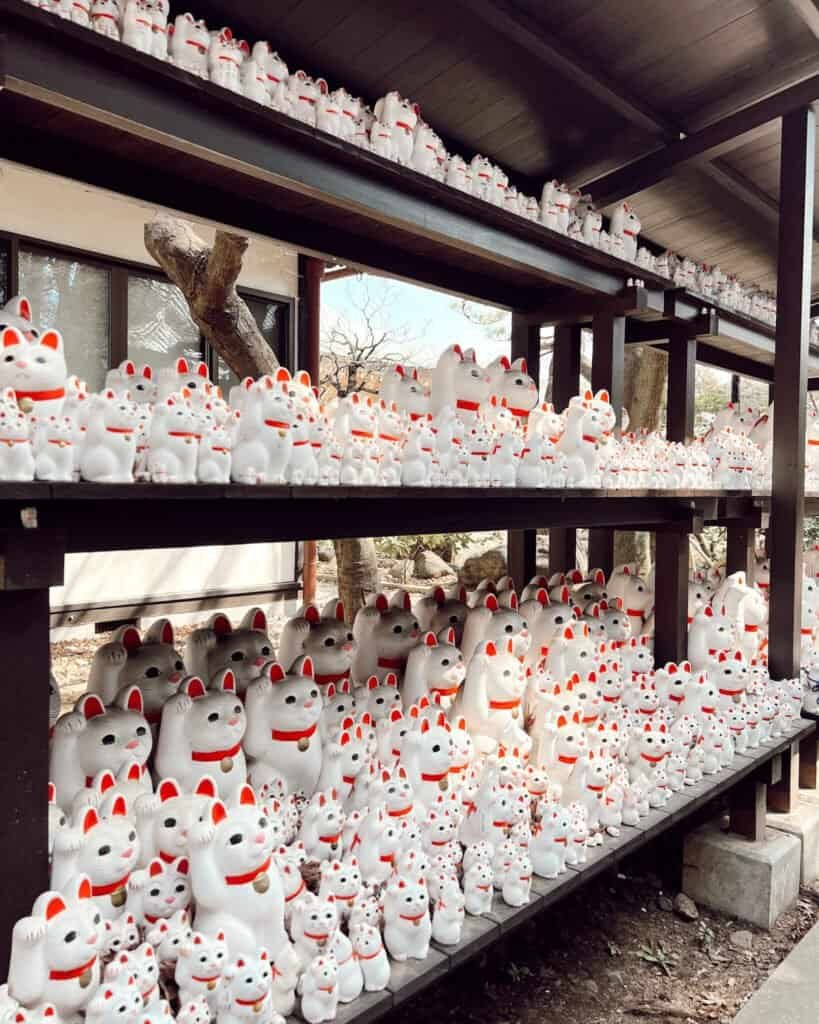
Start your day in Gotokuji Temple, which is an easy stop to combine into your route. It’s known for its rows of maneki-neko (lucky cat statues). It’s small but it’s a fun, quick stop if you’re already nearby.
Don’t forget to check out Rarasand, a fantastic little coffee shop with cat shaped cakes. I loved it, especially after visiting Gotokuji.
From Gotokuji Temple, head over to Shimokitazawa, one of my favourite neighbourhoods in Tokyo. It has a completely different vibe from places like Shibuya, slower, more local, and full of vintage shops and cosy cafés. I loved wandering around here, grabbing a coffee, and doing a bit of thrift shopping. If you want a break from the chaos, this is where you’ll find it.
In the evening, head to Shinjuku, which ended up being my favourite area in Tokyo. It’s a bit rougher around the edges, but that’s exactly what makes it interesting. Neon lights, tiny alleyways, and a completely different energy from the rest of the city.
Golden Gai is a maze of tiny bars with loads of character and one of my favourite nightlife experiences in Tokyo. Try to find a quieter bar rather than the obvious tourist ones.
I loved walking around and grabbing a drink in one of the bars. The area is now mostly catered to tourists, but it’s still fun. Walk around the area and pick a bar to have a drink. Some bars ask for a cover charge, and not all bars accept credit card payments.
Omoide Yokocho is famous for its yakitori stalls and little streets, but personally, I didn’t enjoy it. It was crowded, smoky, and not somewhere I’d go back to. Yes, it’s cool to see, but way to smokey for me.
You’ll find plenty of restaurants around for food, but check out Sugoi Niboshi Rāmen or Shinjuku Yakitori Nonotori.
If you’re up for the full experience and don’t want to to think too much, check out this fantastic Shinjuku Food Tour. You’ll eat like to locals do.
Day 3 in Tokyo – Tsukiji, Asakusa & Ginza
Day 3 is a mix of food, culture, and one of my favourite experiences in Tokyo, but also where I’d be more selective with what you include.
Start your day at Tsukiji Market. Yes, it’s touristy, busy, and not cheap, but I still think it’s worth it. It’s just fun to walk around, try different foods, and take it all in. I had one of the best sashimi bowls of my life here, and while some things are expensive, there are cheaper options if you look for them.
Try a little bit of everything like grilled skewers, sushi, tamagoyaki and don’t expect it to feel like a quick street-food stop. This is a proper breakfast worth lingering over.
From there, head to Asakusa for Senso-ji Temple.
It’s busy, but this is one of the few temples in Tokyo that actually feels worth visiting. The temple itself is beautiful, and the walk through Nakamise Street, with all the food stalls and little shops, is part of the experience.
End your day in Ginza or Omotesando. I really enjoyed seeing this more upscale and luxurious side of Tokyo. You won’t find neon lights or massive 3D billboards like in Shinjuku or Shibuya. It feels calmer, more refined, and honestly a lot less overwhelming.
Explore flagship stores of luxury brands, department stores like Mitsukoshi and Wako, and trendy boutiques. It’s the perfect place to slow down your evening. Go for dinner, have a drink, and just enjoy the atmosphere without rushing around.
book my favourite Sushi-making workshop in asakusa
One of my favourite Tokyo experiences was joining a sushi-making workshop in Asakusa, not far from Senso-ji Temple. I learned how to make temari sushi, which are small, round sushi balls. The staff made the class fun, interactive, and welcoming.

It was perfect because the instructors and other participants were so friendly, and you get to enjoy everything you make. Since it’s close to Senso-ji, you can easily combine the two in the same half-day. I would 100% do this again.
Day 4 – a day trip to Mount Fuji
A day trip to Mount Fuji was one of my favourite experiences in Japan. It’s also a really nice break from the intensity of Tokyo. After a few busy days in the city, being surrounded by nature and open views feels completely different.
That said, Mount Fuji is notoriously hard to see because of the weather. Visibility isn’t guaranteed, and that’s something a lot of people underestimate.
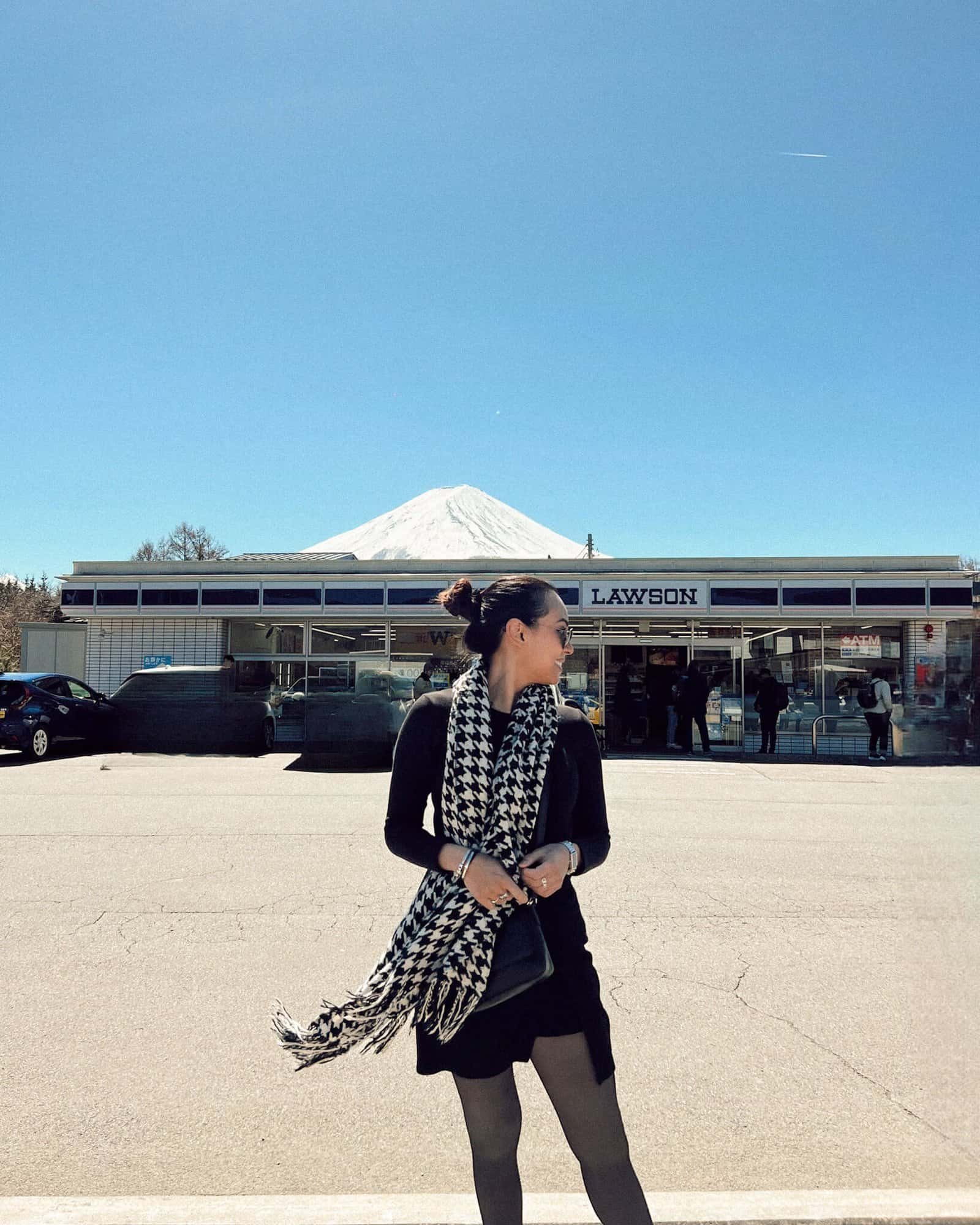
I’ve been to Mount Fuji twice, once in September and once in March, and the experience was completely different. In March, it was cold, but I saw Mount Fuji covered in snow with clear skies, which is exactly what you picture.
In September, the mountain was green and there’s a higher chance of clouds blocking the view, but I got lucky with clear skies that day. If you want that classic snowy Mount Fuji view, winter is the best time to go.
Also, don’t underestimate the temperature. It’s much colder around Mount Fuji than in Tokyo, so bring layers.
I’ve done organised tours, and honestly, I would recommend them, especially if it’s your first time. It just makes everything easier. Transport, timing, and stops are all arranged, so you can actually enjoy the day instead of figuring everything out yourself.
This is the exact Mount Fuji Highlights Tour I booked, which included stops like Chureito Pagoda and some of the most scenic viewpoints around the area. I loved that it covered both the iconic photo spots and gave enough time to actually enjoy the views.
If you’re looking for those iconic photo shots, this is the tour to book.
If you’re not sure which tour to choose, I’ve broken down the best Mount Fuji tours from Tokyo, including what each one includes and who it’s best for.


Day 5 in Tokyo – Shibuya and Shibuya Sky
I’d dedicate a full day to Shibuya. It’s one of Tokyo’s most iconic areas.
It might just be a pedestrian crossing, but Shibuya Crossing is one of those places you have to see because it’s in every movie. Trust me, it’s just a normal crossing. People move in every direction, even diagonally, and during rush hour, it feels like organised chaos.
With the massive 3D billboards and flashing ads around you, it’s one of those moments where it really hits you: you’re in Tokyo.
If you only do one observation deck in Tokyo, make it Shibuya Sky. The views are incredible, especially at sunset when the city lights start to glow. Tickets sell out quickly, so book in advance. Shibuya Sky is famous for that iconic shot of an escalator with Tokyo in the background.
On my first visit, I missed sunset tickets, and on my second trip, the outdoor viewing area was closed due to strong winds. How unfortunate. It was still worth it, but if you catch it at sunset outdoors, it’s next level.
After that, just walk around the area. Shibuya is packed with shops, restaurants, and bars, and it’s one of those places where you don’t really need a plan. Just walking around is part of the experience.
For dinner, Ichiran Ramen is an easy and famous option. The individual booths make solo dining feel completely normal, which is something Japan does incredibly well. The ramen is good and affordable and the experience is fun.
Or check out the famous Gyekatsu Motomura, where you grill your gyekatsu (breaded beef steak) at the table. Perfect with a draft beer.
If you’re up for some drinks or when you’re travelling alone, check out this highly rated izakaya pub crawl in Shibuya. It’s a fantastic way to meet other travellers.
Day 6 in Kyoto – Nishiki Market & Gion
Arriving in Kyoto feels completely different from Tokyo. It’s quieter, more traditional, and has a completely different energy that you notice straight away.
Start your first day in Kyoto at Nishiki Market for lunch. Yes, it’s touristy, but it’s still a great place to try different local foods in one spot. I tried Wagyu and Kobe beef skewers here, and while they’re just small bites, it’s a fun way to taste something that’s usually very expensive.
I was instantly hooked. The Wagyu skewers are juicy, rich, and genuinely worth trying at least once. Pair it with something like a mango sour.
If the market feels too crowded, just step into the surrounding streets. There are plenty of small restaurants and cafés nearby that feel a bit more relaxed.
If you’re planning to explore Kyoto in more depth, I’ve shared a full breakdown in my 2-day Kyoto itinerary, including what to prioritise, where to stay, and how to structure your time without feeling overwhelmed.
In the evening, head to Gion, Kyoto’s most famous traditional district. Walking through the lantern-lit streets, past wooden teahouses and narrow alleys, feels like stepping back in time.
I didn’t see a geisha while I was there unfortunately, but that didn’t take away from the experience. Just being in that atmosphere is enough.
Day 7 in Kyoto – Fushimi Inari & Arashiyama Bamboo Forest
Start your day early at Fushimi Inari Shrine, one of Kyoto’s most iconic spots. The thousands of red torii gates lining the paths up the mountain are beautiful, but timing is everything here.
I went just after sunrise, and that’s absolutely what I recommend. It’s much quieter, you can actually enjoy the walk, and you won’t be stuck in crowds the entire time.
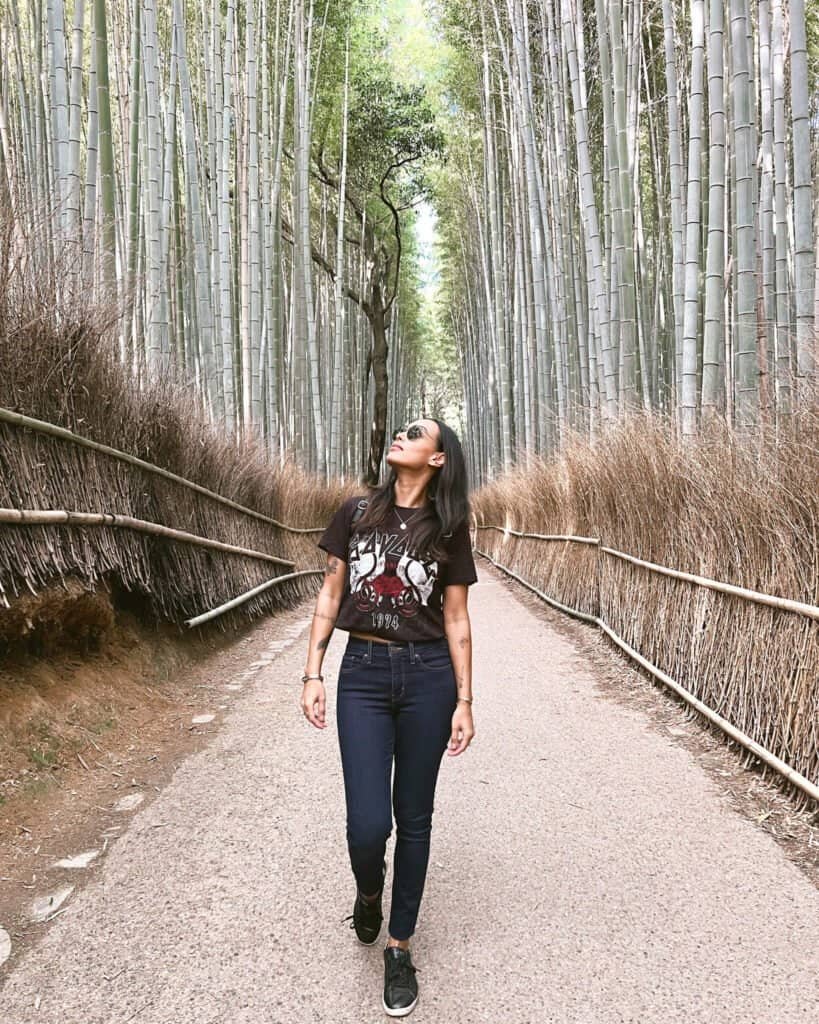
In the afternoon, head to Arashiyama Bamboo Forest.
By this time, the crowds start to thin out, and the light through the bamboo makes it feel a lot more special. It’s very small, but the bamboo trees with the sunlight coming through is a beautiful sight.
Afterwards, you can take your time exploring more of Kyoto or head back towards the centre to wander around Kawaramachi. You can do you souvenir shopping and have dinner in the area.
Don Quijote is a giant discount store where you can buy anything from skincare to snacks and quirky souvenirs. I don’t usually shop for souvenirs, but I picked up some great skincare here (makeup wipes and a face wash I loved).

Day 8 in Kyoto – Kiyomizu-dera & Pontocho
Kiyomizu-dera is one of the temples I really recommend spending some time at. The whole area is just fantastic.
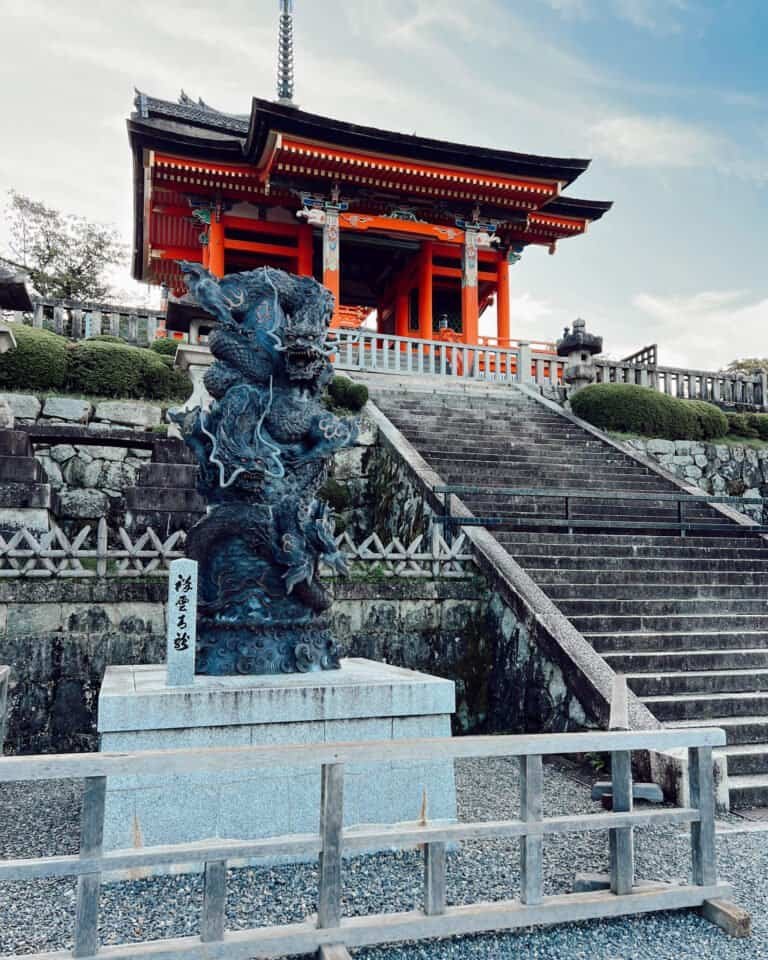
What stood out to me were the dragon statues and just how much there is to see around the temple grounds. It’s not a quick in-and-out stop, there’s enough here to walk around properly without getting bored.
From there, walk down through Higashiyama. Streets like Sannenzaka and Ninenzaka are busy, but this is the Kyoto you probably have in mind, traditional buildings, small shops, and that old-town atmosphere.
You’ll also pass Yasaka Pagoda, which is one of the most photographed spots in Kyoto. There’s probably a queue to take photos, but at least it’s done in a efficients and structured way.
If you still have time in the afternoon, Kinkaku-ji (the Golden Pavilion) is worth adding to your itinerary. It’s one of the most iconic temples in Kyoto, covered in gold leaf and set around a pond. It does get busy, but it’s one of those places that’s still impressive to see in person.
For lunch, I went back to Nishiki Market. I know it’s repetitive, but it’s just an easy option and the food is genuinely good. Sometimes that’s exactly what you want instead of spending time figuring out where to eat.
In the evening, go to Pontocho. This was one of my favourite areas to just walk around and find a place to eat. It’s smaller, more intimate, and feels completely different from the busier parts of the city.
One place I highly recommend is Chao Chao Gyoza, a local favourite known for its delicious dumplings. Expect a queue, but it moves quickly.
Day 9 in Osaka – Osaka Castle & Dotonbori
Osaka is known as Japan’s food capital, but if I’m being honest, it didn’t stand out to me as much as Kyoto or Tokyo.
Because this is a 10-day itinerary, I’d keep your time in Osaka short. If you have to prioritise, your time is better spent in Tokyo and Kyoto. I’d treat Osaka as a quick stop before flying home rather than a destination where you need multiple days.
Osaka Castle is an easy first stop. I didn’t go inside, and I didn’t feel like I missed anything. Walking around the grounds was enough, and you can get great views and photos of the castle from the outside.
For lunch, why not try out the viral Rikuro cheesecake? It’s light, fluffy, and eggy—nothing like the compact, creamy cheesecakes you might know.
Then, head to Dotonbori and focus on the food. This is where Osaka feels completely different, busy, chaotic, and very food-focused. Just walk around and try whatever stands out to you.
I tried takoyaki, which is one of the most famous dishes here, but it wasn’t for me. I’m not a fan of octopus. Okonomiyaki, on the other hand, I really enjoyed. It’s more filling and felt like an actual meal. I also loved taiyaki, a sweet pastry filled with custard or red bean.
If you want to experience more of Osaka’s food scene without figuring everything out yourself, a guided food tour in Osaka is a good option. I’ve shared the best food tours in Osaka, including what you can expect and which ones are actually worth booking.
Day 10 – Departure day & Last Moments in Japan
This is the time to pack your bags, grab a last coffee, and maybe do some final souvenir shopping if you didn’t get everything earlier. Convenience stores and train stations are great for picking up snacks or small gifts to take home.
If you still have a bit of time before your flight, you can walk around your neighbourhood one last time or revisit a spot you liked.
Getting to the airport from Osaka is easy. You can take the train, which is quick and efficient, or the subway if you’re looking for a cheaper option.
How to travel between Tokyo, Kyoto and Osaka
I took the Shinkansen from Tokyo to Kyoto, which is the fastest option. The journey takes around 2 to 2.5 hours, and it’s clean and comfortable.
You can buy your tickets at the train station using the ticket machines, which are in English too. I’d recommend booking a few days in advance so you can pick your seat and avoid trains selling out.
From Kyoto to Osaka, it’s even simpler. It’s only about 30 minutes by train. I just bought my ticket at the station on the spot and had no issues. There are other options, but the train is by far the easiest and fastest.
Getting to the airport from Osaka is also straightforward. There are multiple options depending on where you’re staying, so I’d just check Google Maps and take whatever route is most convenient at that moment.
For local transport like the subway, I used my Suica card everywhere. For longer-distance trains like the Shinkansen, you’ll need to buy a separate ticket at the station.
If you want a full breakdown of how public transport works in Japan, I go into detail in my guide on how to use public transport in Japan.
Where to stay in Tokyo, Kyoto & Osaka
When I travel solo, I don’t just book a place to sleep. I look for something that feels safe, well-located, and easy to come back to at the end of the day. In Japan, that’s actually not hard to find, but where you stay still makes a big difference in how your trip feels.
In Tokyo, I’d stay in either Shinjuku or Shibuya. Shinjuku is my personal favourite because it’s central, well-connected, and there’s always something going on. Shibuya feels a bit trendier, but both are great for a first trip. If you want something quieter and more traditional, Ginza is a good option.
I recommend staying in hotel Tokyo Stay Shibuya or hotel Agora Ginza.
In Kyoto, location matters more than anything. Gion is the most beautiful area, especially in the evenings. It’s a bit more expensive, but perfect for a short stay. Otherwise Kawaramachi is my second best location.
I recommend staying in hotel The Celestine or the Ace Hotel.
I wrote an in-depth guide with my favourite boutique hotels in Kyoto for you. Definitely check that out.
For Osaka, I wouldn’t overthink it. Stay in either Namba or Umeda. Namba puts you right in the middle of the food scene around Dotonbori, while Umeda is better for transport connections.
I recommend staying in Hotel Cordia Osaka or the OMO7 Osaka.
How to get around Japan
The one thing that made the biggest difference for me was using a Suica card. If you have an iPhone, just add the digital Suica to your Apple Wallet. You can top it up with your card and tap in and out of trains, metros, and even pay at convenience stores. It’s simple and you don’t have to think about buying tickets every time.

For this itinerary, I didn’t use the JR Rail Pass, and I wouldn’t recommend it either. It only makes sense if you’re doing a lot of long-distance travel. For a route like Tokyo, Kyoto, and Osaka, buying individual Shinkansen tickets is cheaper and just as easy.
Google Maps works perfectly in Japan and tells you exactly which train to take, what platform to go to, and even which exit to use. I relied on it the entire trip.
One thing I underestimated was how big the stations are. Places like Shinjuku Station are massive, and taking the wrong exit can easily add 20 minutes to your route. Pay attention to the signs and follow your app closely.
I mostly used public transport, but I did take an Uber in Kyoto a couple of times, especially between temples where connections aren’t always direct. It saved a lot of time and wasn’t expensive.
And one thing you can’t avoid: you’ll walk a lot. Even with public transport, I was easily hitting 10,000 to 20,000 steps a day.
If you want a full breakdown of how public transport works in Japan, I’ve explained everything step by step in my guide on how to use public transport in Japan.


How much does a 10-day trip to Japan cost?
I spent around $2,000 USD for 10 days in Japan as a solo traveller, including accommodation, food, transport, and some shopping. And I didn’t feel like I had to budget tightly or miss out on experiences.
Your biggest expense will be accommodation. Hotels in Japan are clean, safe, and efficient, even at the lower price range, but space is limited.
Food, on the other hand, is surprisingly affordable. You can easily eat well without spending much, whether that’s sushi from a convenience store, ramen at a local spot, or a quick meal at a casual restaurant. I never felt like I had to compromise on quality.
Transport is also reasonable. Subways are cheap, and while the Shinkansen is more expensive, it’s fast, comfortable, and worth it. Since I didn’t use the JR Pass, I saved money by booking individual tickets instead.
Overall, Japan offers really good value for money, especially compared to places like the US or Europe.
My 10-day Japan budget breakdown
- Accommodation: $100 – $150 per night for a basic room with private bathroom
- Food & drinks: around $50 per day
- Transport: $10 per day, bullet trains are expensive
- Tours and workshop: on average $60 per tour
Is $2,000 enough for 10 days in Japan?
Yes, $2000 is enough for 10 days in Japan.
That’s exactly what I spent, and I was comfortable. You can spend less if you stay in budget hotels and eat casually. Japan is one of those places where you can adjust your budget to your needs without sacrificing the overall experience.
And I travelled between cities with the KTX and stayed in simple, clean budget hotels with private bathrooms on great locations.
I loved grabbing a quick solo lunch at a ramen counter or ordering gyoza and yakitori with a glass of wine or a Asahi beer. It always felt affordable, and I never felt like I had to cut corners, which is so not me.
Is Japan safe for solo female travellers?
Yes, and it’s one of the main reasons I’d recommend Japan for a first solo trip.
I’ve travelled here twice on my own, and it’s one of the few places where I felt completely comfortable the entire time. Public transport is reliable, streets feel safe even at night, and people are respectful while still being incredibly helpful if you need it.
However, Japan still needs proper safety instructions for women, like every other destination. I’ve written an in-depth guide with tips for women travelling alone you have to read.
Best time to visit Japan for first-time travellers
For me, the best time to visit is either spring or autumn.
Spring is popular for a reason. Cherry blossom season is beautiful, but it’s also unpredictable. I visited at the end of March, and it was colder than expected, with blossoms slightly delayed. So while it’s a great time to go, don’t expect perfect timing unless you’re lucky.
Autumn is, in my opinion, the better option.
The weather is mild, the crowds are lower than in spring, and everything just feels more comfortable. I visited in September, and it was warm during the day, cooler in the mornings, and ideal for exploring.
FAQs about a 10-day trip to Japan
Do I need the JR Rail Pass for 10 days in Japan?
No. For a short route like this, Tokyo, Kyoto, and Osaka, it’s cheaper to buy individual train tickets instead of getting the JR Pass.
Is Japan easy to navigate for first-time visitors?
Yes, it can feel overwhelming at first, especially in big stations like Shinjuku. Breath, think and use Google Maps. You’ll be fine.
How many days do you really need in Japan?
If it’s your first trip and you’re short in time, 10 days is a good starting point. You’ll see the highlights. I’d recommend staying 2 weeks for a proper, relaxed pace.
Plan your trip
With my online resources
Use my travel planning roadmap with all my digital resources to book every detail of your trip!
The perfect 10-day itinerary to Japan
If you’re planning a 10-day itinerary to Japan, this route gives you exactly what you need for a first trip without overcomplicating it.
Tokyo, Kyoto, and a short stop in Osaka cover a good mix of modern city life, traditional culture, and food, without trying to squeeze in everything just for the sake of it. That’s what makes this itinerary work.
If you’re still figuring out your trip, I’ve put everything together in my Japan travel guides hub, where you’ll find all my itineraries, hotel recommendations, and practical tips in one place.
What to read next for your Japan adventure?
- The Ultimate 2-Day Itinerary To Kyoto For First-Time Travellers
- The Perfect 5-Day Itinerary to Tokyo: The Ultimate Guide + Map
- 6 Gorgeous Boutique Hotels in Kyoto For Women I’d Stay In That Are Solo-Friendly